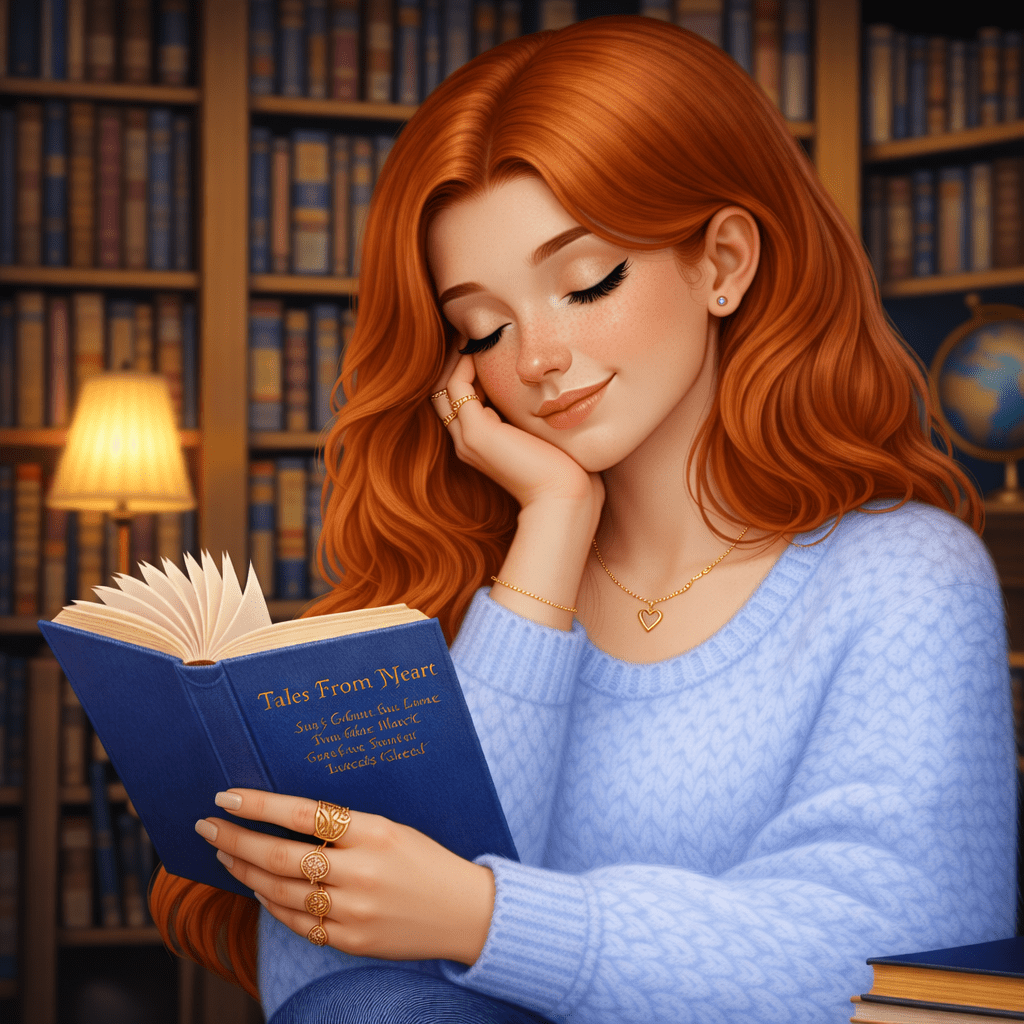
Hi there, and welcome back to my blog, the page turner. In this post, I’m going to be questioning the endings given to most novels: is it easier, better, to end a story on a happy, fixed note, or to leave it unfinished, imperfect, allowing more scope for imagination?
It’s always easy to write a ‘happily ever after’ ending, especially as it results in the story closing in a finished, perfect sort of way, but this does not depict how life and its problems work. However, leaving a story open, and not entirely flawless, is an accurate representation of nature. This kind of open closure is more three-dimensional, because it clearly admits that not everything must be perfect and neat, although the fact that things would be alright can undoubtedly serve as a comforting addition to an ending. For example, the famous book Harry Potter and the Philosopher’s Stone ends in a manner that makes you feel as though everything was right, without diminishing the inviting chord of imagination that allows one to wonder exactly what would happen during Harry’s time back at home. In this way, without the authors finishing the tale themselves, you can. Additionally, the book Rooftoppers by Katherine Rundell ends on a blissful note, but it strengthens the ambiguity of the events to follow. We aren’t told the complete story, because the author has invited us to tell the rest ourselves. This proves that endings don’t have to be fixed. An added element can make the book wholly three dimensional, like life is.
Happy endings can be effective in ways, but it loses all the tension that has been carefully building up during the saga in one sweep. Having closure that isn’t determinedly uplifting, but subdued, and foreshadowing merest flickers of what might happen next, would be more effective. This is because it allows you to incorporate a note of yourself in that story by picking up the fallen threads and weaving them into a way you want it to be, not the way the author wants it to be. Instead of a unchanging close to a story, you get an invitation to carry it on. The story might even end on a sad note. And that’s okay. Because if everything ends with a happily ever after, it brings a belief that everything must be a happily ever after. Which doesn’t happen all the time. You don’t always get what you want, things don’t always go in your favour. And it would be really great if books could show that, instead of portraying a sense that, after the end, nothing would ever go wrong.
To conclude, I think most stories could do with an unfinished, maybe even unhappy ending, because it makes the tale more relatable. It shows that, even in places in far off lands and worlds of magic, one thing is clear: things aren’t perfect, and don’t always end happily. Different endings add thought and reality to a story and can bring their own way of comfort to the reader, because they know that, even in the best of areas, immaculate aftermaths are not always present. I hope you enjoyed this blog and will share your views on endings, and also that you will read my other posts. For now, bye!


Leave a Reply